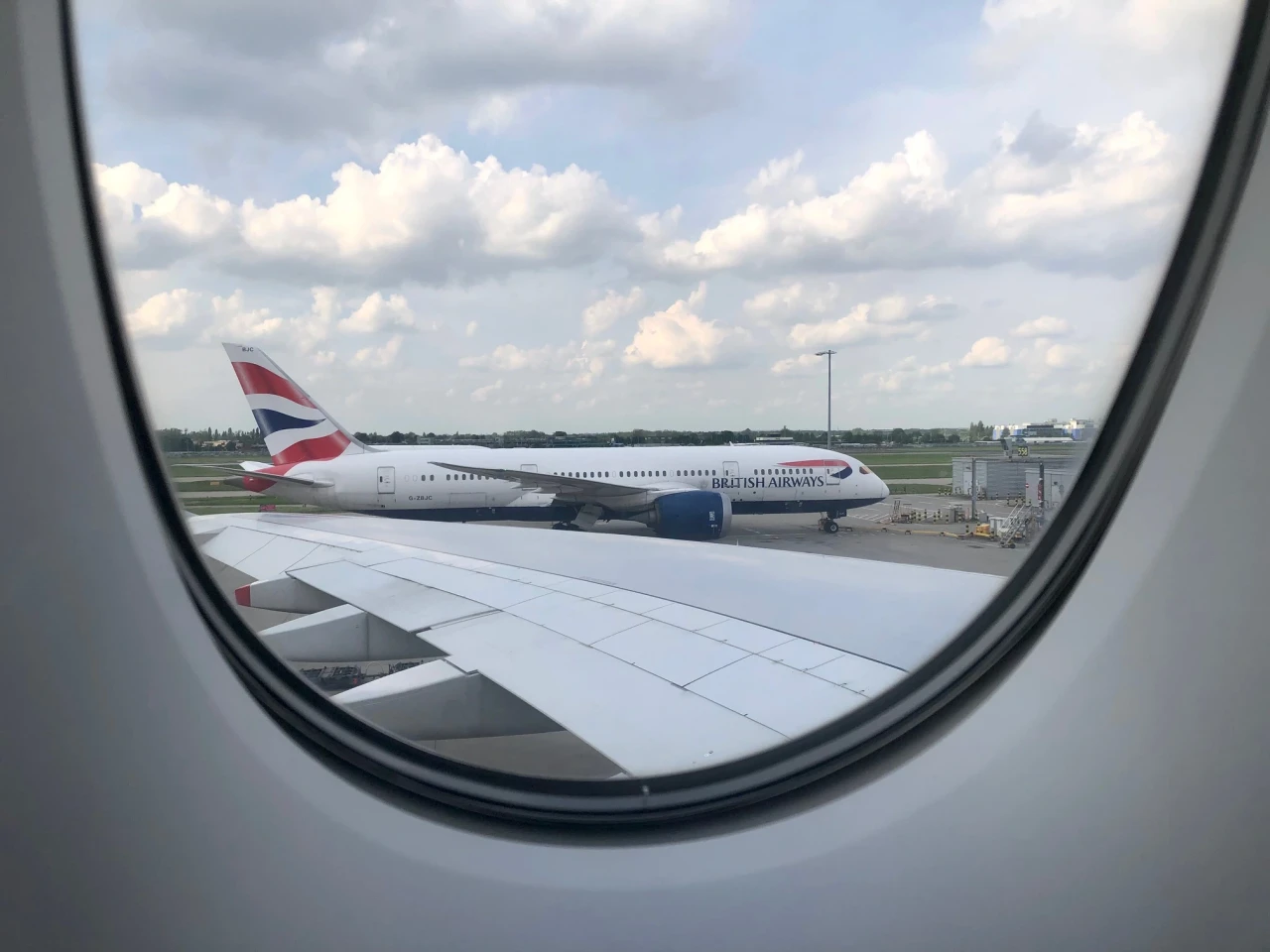
British Airways Is Hiring Pilots Just to Taxi
BA is paying up to $100K a year for pilots to taxi its 777s and 787s between terminals at O'Hare — no flying required. Here's why the job exists at all.
BA posted a job listing for "taxi crew" at Chicago O'Hare — paying up to $100,000 a year to move 777s and 787s between terminals on the ground. The reason why is pretty fascinating.
If you've ever connected through Chicago O'Hare on a British Airways flight, you've probably noticed something slightly odd: you land at Terminal 5, clear customs, and then your next BA departure is at Terminal 3. That's not a coincidence or a scheduling quirk. It's a deliberate operational setup that creates a very specific problem that BA is now paying a full-time salary to solve.
British Airways is currently advertising for "ground taxi pilots" based at Chicago O'Hare airport, with a salary range of $90,000 to $100,000 per year. Per the listing, you'll operate as Pilot in Command or Second Pilot during ground taxi operations, safely moving British Airways Boeing 777 and 787 aircraft between terminals at O'Hare to help achieve on-time performance.
No takeoffs. No landings. Just driving a widebody jet across one of the busiest and most congested airfields in the world, a few times a day.
Why Does This Job Exist?
BA finds itself in this situation because of international operations at O'Hare. Terminal 5 is the airport's main international arrivals terminal, where Customs and Border Protection is based, so BA's flights arrive there — like most other international flights. But British Airways flights do not depart from Terminal 5. Instead, the planes are repositioned to Terminal 3, which is the main American Airlines terminal at the airport. I noticed this same quirk on a recent international arrival into ORD.
Every time a BA widebody lands at ORD, it needs to make its way from Terminal 5 to Terminal 3 before the next flight.
Why Can't They Just Use a Tug?
At most airports, repositioning an aircraft between gates is routine ground crew work via a tug. Unlike some airports worldwide that allow airlines to reposition aircraft using pushback tugs, O'Hare does not permit tug-based taxi operations between terminals. A qualified pilot must be at the controls to move the aircraft, which is what creates the need for a dedicated taxi crew.
Part of this is practical: tugs are slower, and given the maze of taxiways and construction zones at O'Hare, it's considered more efficient and safer to taxi planes under their own engine power.
Why Can't the Flight Crew Just Do It?
Here's the other piece of the puzzle. Any crew flying from London to Chicago will have spent around 12 hours on duty, so upon arrival at Terminal 5, they are usually near their legal limit. BA crews operating long-haul flights to ORD may be out of flying duty time, in need of mandatory rest periods, or not authorized for ground repositioning duties at ORD.
Who Is This Job Actually For?
This role isn't really aimed at full-time pilots at the height of their career. Instead, it's ideally suited to recently retired pilots who are no longer legally permitted to fly a commercial airliner in the United States under FAA age regulations, but are still allowed to taxi aircraft at low speeds.
The FAA mandatory retirement age for commercial airline pilots is 65 but there's no restriction on ground taxi operations. A pilot who retired from United or American last year can't fly a scheduled service anymore — but they can absolutely move aircraft from Terminal 5 to Terminal 3.
Applicants need to be experienced Airline Transport Pilots with recent experience operating the Boeing 777 or 787 as Captain or First Officer, a solid track record of safety, and a high degree of familiarity with procedures at Chicago O'Hare specifically. O'Hare is one of the operationally demanding airports in the country. This isn't a job for someone who flew regionals for twenty years.
Is This Unusual?
Sort of. The concept of dedicated taxi crews isn't entirely new. Other international carriers like ANA that operate at O'Hare with the same Terminal 5 arrival and different departure terminal setup use a similar model, though some use trained mechanics rather than rated pilots. What's notable about BA's posting is the salary level and the explicit requirement for type-rated ATP experience.
It's also worth noting that this is a permanent, part-time role — not a contractor arrangement or a temporary fix. BA is building a dedicated ground taxi function into its ORD operation.
Not a bad gig for a retired 777 captain.
Source: British Airways Careers